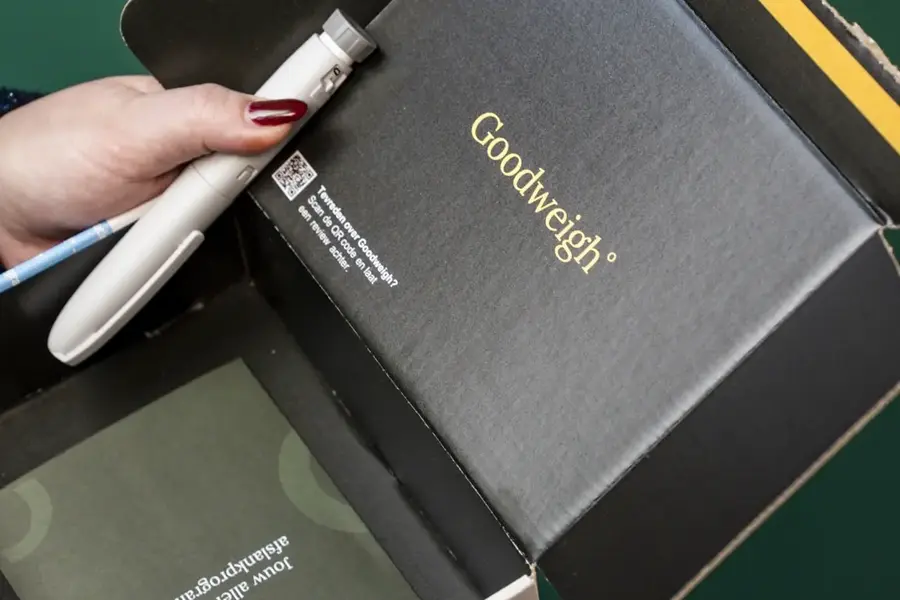
Side effects of tirzepatide (Mounjaro®): what you need to know

Side effects of tirzepatide (Mounjaro): what you need to know
Short answer: The most common side effects of tirzepatide are nausea, diarrhoea and vomiting. They usually occur at the start of treatment, are temporary and subside after 4 to 8 weeks thanks to the gradual titration schedule.
Mounjaro® (tirzepatide) is rapidly gaining ground as one of the most potent weight-loss medications currently available. The drug acts on two receptors simultaneously: the GLP-1 receptor and the GIP receptor, resulting in greater weight loss than traditional GLP-1 agents. But it is precisely this dual action that raises legitimate questions about tirzepatide side effects. What can you expect? How long do the symptoms last? And when should you get in touch? You can find the answers in this blog.
What are the most common side effects of Mounjaro?
The most common side effects of Mounjaro are gastrointestinal problems: nausea, diarrhoea, vomiting, abdominal pain and constipation. They occur in a significant proportion of users, particularly in the first few weeks or following a dose increase. Reduced appetite is technically also a side effect, but is experienced as desirable by most users.
The SURMOUNT-1 study shows that nausea occurred in 28 to 39 per cent of participants, depending on the dose, whilst most cases were described as mild to moderate. Diarrhoea occurred in 17 to 23 per cent of participants. In most cases, these symptoms resolved spontaneously as the body became accustomed to the medicine.
In addition, a slight increase in heart rate (3 to 5 beats per minute) has been reported. This is generally not clinically relevant, but warrants attention in people with heart conditions.
How long do the side effects of Mounjaro last?
Gastrointestinal side effects subside in most users after four to eight weeks. Mounjaro’s titration schedule is specifically designed for this: you start at 2.5 mg per week and increase every four weeks to 5, 7.5, 10, 12.5 and ultimately a maximum of 15 mg per week, as described in the Pharmacotherapeutic Compass.
Safety data from a phase 3 study show that most side effects occurred during the first one to two dose increases and then decreased significantly. The peak in symptoms therefore occurs at the start of treatment, not at the end.
Are there any serious side effects of tirzepatide?
Serious side effects do occur, but they are rare. The most relevant are acute pancreatitis, gallstones (cholelithiasis) and kidney problems resulting from dehydration due to persistent vomiting or diarrhoea. If you experience persistent severe abdominal pain radiating to the back, you should always contact a doctor.
Thyroid carcinomas have been observed in animal studies, a finding also reported with other GLP-1 agents. This has not yet been demonstrated in humans, but tirzepatide is contraindicated in people with a personal or family history of medullary thyroid carcinoma. The same applies to MEN2 (multiple endocrine neoplasia type 2).
Real-world research shows that serious side effects are rare when the drug is used correctly and with proper medical supervision. A thorough medical history check at the start of treatment is therefore crucial.
How does Mounjaro differ from Ozempic and Wegovy in terms of side effects?
Tirzepatide acts on two receptors, GLP-1 and GIP, making it both more potent and qualitatively different from semaglutide (Ozempic/Wegovy). The side effect profile is largely comparable, but at higher doses, gastrointestinal symptoms may be slightly more intense due to the stronger effect on gastric emptying.
A head-to-head study shows that tirzepatide resulted in significantly greater weight loss in people with type 2 diabetes than semaglutide 1 mg per week, with a comparable safety profile. Read more about the difference between Mounjaro and Ozempic or view the side effects of Ozempic for further information.
The table below summarises the main differences:
What can you do to reduce the side effects of Mounjaro?
The most effective way to minimise side effects is to adjust your eating habits. Small, low-fat meals significantly reduce the risk of nausea. Avoid large portions, alcohol and high-fat or high-sugar foods, especially in the first few weeks after a dose increase. Good hydration is essential, particularly as diarrhoea and vomiting can lead to dehydration.
Read more about diet whilst using GLP-1 for specific tips tailored to the use of Mounjaro. Some users experience fewer side effects if they administer the injection just before going to bed, so that the first few hours after the injection coincide with the night. Timing and dietary choices together make a noticeable difference, particularly in the first four weeks of treatment. Goodweigh provides active support with every dose increase and adjusts the titration schedule if side effects persist.
When should you stop taking Mounjaro due to side effects?
Stop taking the medication and contact a doctor immediately if you experience severe, persistent abdominal pain, especially if it radiates to the back. This may indicate acute pancreatitis. Jaundice or dark urine may indicate liver problems or gallstones. Severe dehydration can be recognised by dizziness, dark urine and reduced urine output.
Mild discomfort at the start is normal and to be expected. There is a difference between temporary discomfort when the dose is increased and symptoms that persist or worsen. If in doubt, contact us. Medical support from Goodweigh is available throughout the entire treatment.
Side effects of Mounjaro are manageable with the right support
Most tirzepatide side effects are mild, temporary and diminish the longer you use the medication. The titration schedule, combined with adjustments to eating habits, makes the treatment well-tolerated for most people. The SURMOUNT-2 trial shows that even with long-term use at higher doses, the side effect profile remains acceptable.
Would you like to start Mounjaro safely under medical supervision? Through Goodweigh, you’ll undergo an online consultation, receive a personalised titration schedule, and have a team of doctors on hand should you have any questions or concerns. Discreet home delivery, arranged entirely online.
Referenties
- Jastreboff, A.M., Aronne, L.J., Ahmad, N.N., Wharton, S., Connery, L., Alves, B., ... & Wadden, T.A. (2022). Tirzepatide once weekly for the treatment of obesity. New England Journal of Medicine, 387(3), 205–216. https://pubmed.ncbi.nlm.nih.gov/35658024/
- Frías, J.P., Davies, M.J., Rosenstock, J., Pérez Manghi, F.C., Fernández Landó, L., Bergman, B.K., ... & SURPASS-2 Investigators. (2021). Tirzepatide versus semaglutide once weekly in patients with type 2 diabetes. New England Journal of Medicine, 385(6), 503–515. https://pubmed.ncbi.nlm.nih.gov/34170647/
- Garvey, W.T., Frias, J.P., Jastreboff, A.M., le Roux, C.W., Sattar, N., Aizenberg, D., ... & SURMOUNT-2 Investigators. (2023). Tirzepatide once weekly for the treatment of obesity in people with type 2 diabetes (SURMOUNT-2). Lancet, 402(10402), 613–626. https://pubmed.ncbi.nlm.nih.gov/37385275/
- Rosenstock, J., Wysham, C., Frías, J.P., Kaneko, S., Lee, C.J., Fernández Landó, L., ... & SURPASS-1 Investigators. (2021). Efficacy and safety of a novel dual GIP and GLP-1 receptor agonist tirzepatide in patients with type 2 diabetes (SURPASS-1). Lancet, 398(10295), 143–155. https://pubmed.ncbi.nlm.nih.gov/34186022/
- Thomsen, R.W., Pedersen, L., Hasvold, P., Sandbæk, A., & García Rodríguez, L.A. (2025). Real-world evidence on GLP-1RA-based weight-loss therapies. Diabetes, Obesity and Metabolism. https://pubmed.ncbi.nlm.nih.gov/40196933/
- Farmacotherapeutisch Kompas. (2024). Tirzepatide. Zorginstituut Nederland. https://www.farmacotherapeutischkompas.nl/bladeren/preparaatteksten/t/tirzepatide