
Calculate your BMI
BMI stands for Body Mass Index. It is a measurement that uses your height and weight to estimate whether your weight is healthy in relation to your height. Receive recommendations based on your results.

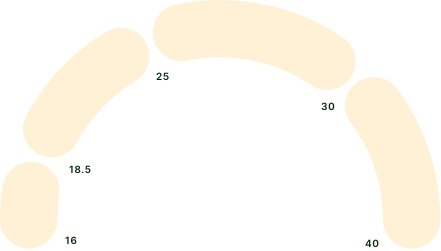





You are not eligible for medical weight loss.
You may be eligible for medical weight loss, for example if you have a condition such as high blood pressure or sleep apnea.
You are eligible for medical weight loss. See if a medical weight loss program through Goodweigh is right for you.

With the Goodweigh BMI calculator above, you can calculate your Body Mass Index for free and instantly. All you need is your height and weight. Your BMI gives you an immediate indication of whether your weight is proportionate to your height, and is a useful starting point if you want to lose weight: it’s a simple way to determine your starting point and track your progress over time. Bear in mind, however, that BMI is a rough measure that says nothing about the balance between muscle and fat mass. More on that later. The result is merely an indication. Always discuss what’s right for your situation with your lifestyle coach or doctor.

What is BMI?
BMI stands for Body Mass Index. It is a ratio that compares your weight to your height, calculated using the formula: weight in kilograms divided by your height in metres squared. For example, someone weighing 80 kilograms and measuring 1.80 metres has a BMI of 80 divided by (1.80 × 1.80), which is approximately 24.7. The measure was devised in the nineteenth century and is now used worldwide by organisations such as the World Health Organisation to estimate overweight and underweight levels at a population level. [8] [1]

What is a healthy BMI?
For adults, the following classification applies, based on that of the World Health Organisation and the same for both men and women: [3] [4]
A BMI between 18.5 and 24.9 is considered a healthy weight for most adults. A BMI of 25 or above is classified as being overweight, and a BMI of 30 or above as obesity, which is further subdivided into three categories as the health risk increases. [1] [3] [4] These thresholds are derived from the relationship between weight and health risk in large groups of people; for an individual, they remain an indication, not a diagnosis.

Healthy BMI for women and men
The BMI thresholds are the same for adult men and women. In both cases, a healthy BMI is between 18.5 and 24.9. This is one of the limitations of the measure: it does not take into account the fact that women naturally have a higher body fat percentage than men, nor does it account for differences in build or muscle mass. Two people with exactly the same BMI may have very different body compositions. If you want to know specifically how much of your body consists of fat, look at your body fat percentage rather than your BMI alone.

What does the BMI not take into account?
The BMI is popular because it is easy to calculate, but it has clear limitations. It does not directly measure how much body fat you have and does not distinguish between muscle and fat mass. [2] As a result, a muscular athlete with little body fat may still fall into the ‘overweight’ category, whilst someone with a normal BMI may still have an unhealthily high percentage of body fat. The BMI also says nothing about where the fat is located, whilst it is precisely abdominal fat – the visceral fat around the organs – that is strongly linked to health risks such as cardiovascular disease and type 2 diabetes. [4] For this reason, the guidelines for GPs recommend measuring your waist circumference as well if your BMI is 35 or below. [4]

BMI or body fat percentage: what’s the difference?
BMI only takes into account the ratio of weight to height. Your body fat percentage looks at your body composition – in other words, how much of your body is actually made up of fat. For a quick estimate based solely on a set of scales and your height, BMI is perfectly fine. If you want a more nuanced picture – particularly if you’re exercising or trying to lose weight in a targeted way whilst maintaining muscle mass – your body fat percentage provides more detailed information. The two complement each other: use BMI as an initial guide and your body fat percentage for a more nuanced understanding.

How can you reduce your BMI in a healthy way?
You can lower your BMI by losing weight, ideally focusing on losing fat mass whilst retaining as much muscle mass as possible. The key is a slight calorie deficit with sufficient protein, combined with strength training, more daily exercise and adequate sleep. For protein, the EFSA recommends a reference intake of 0.83 grams per kilogram of body weight per day for healthy adults; when losing weight, our doctors advise approximately 1 gram per kilogram per day. [5] Crash diets, on the other hand, often lead to a loss of muscle mass and a yo-yo effect. Gradual, sustainable changes work best in the long term.
If lifestyle changes alone are not sufficient to achieve weight loss, a doctor may consider medical treatment for obesity, or for being overweight with a weight-related condition, such as a Medication. In large studies, participants lost on average around 15 to 21 percent of their body weight over just over a year. [6] [7] The most common side effects are gastrointestinal complaints such as nausea, diarrhoea, constipation and vomiting; you can read more about this in our article on The side effects. [9] [10] A doctor will always determine whether this is suitable and safe for you. At Goodweigh, a doctor assesses this online during a free initial consultation.

What makes Goodweigh different
At Goodweigh, you get more than just treatment, because that alone isn't enough. Everything for the best price available.


Participants experience life-changing results

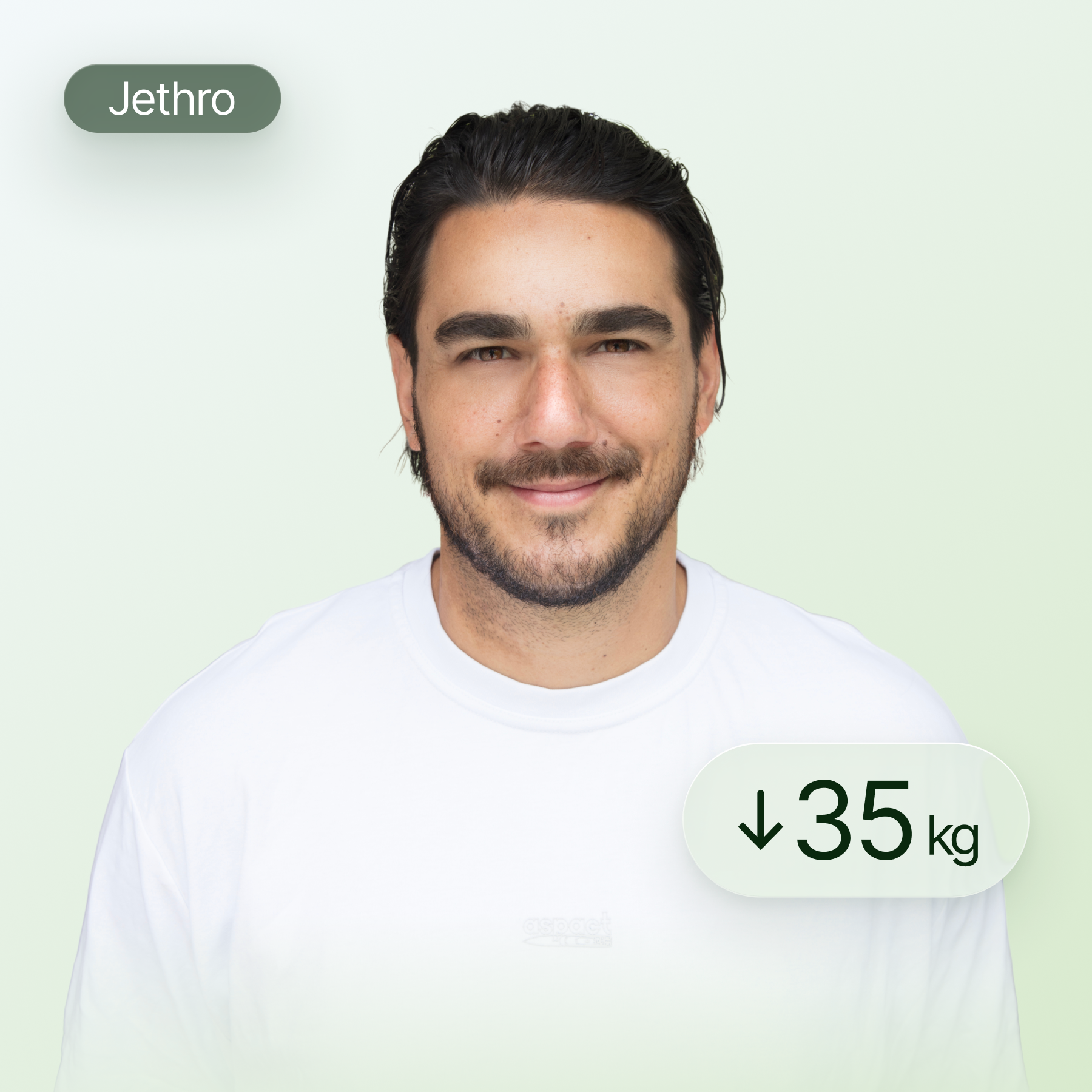
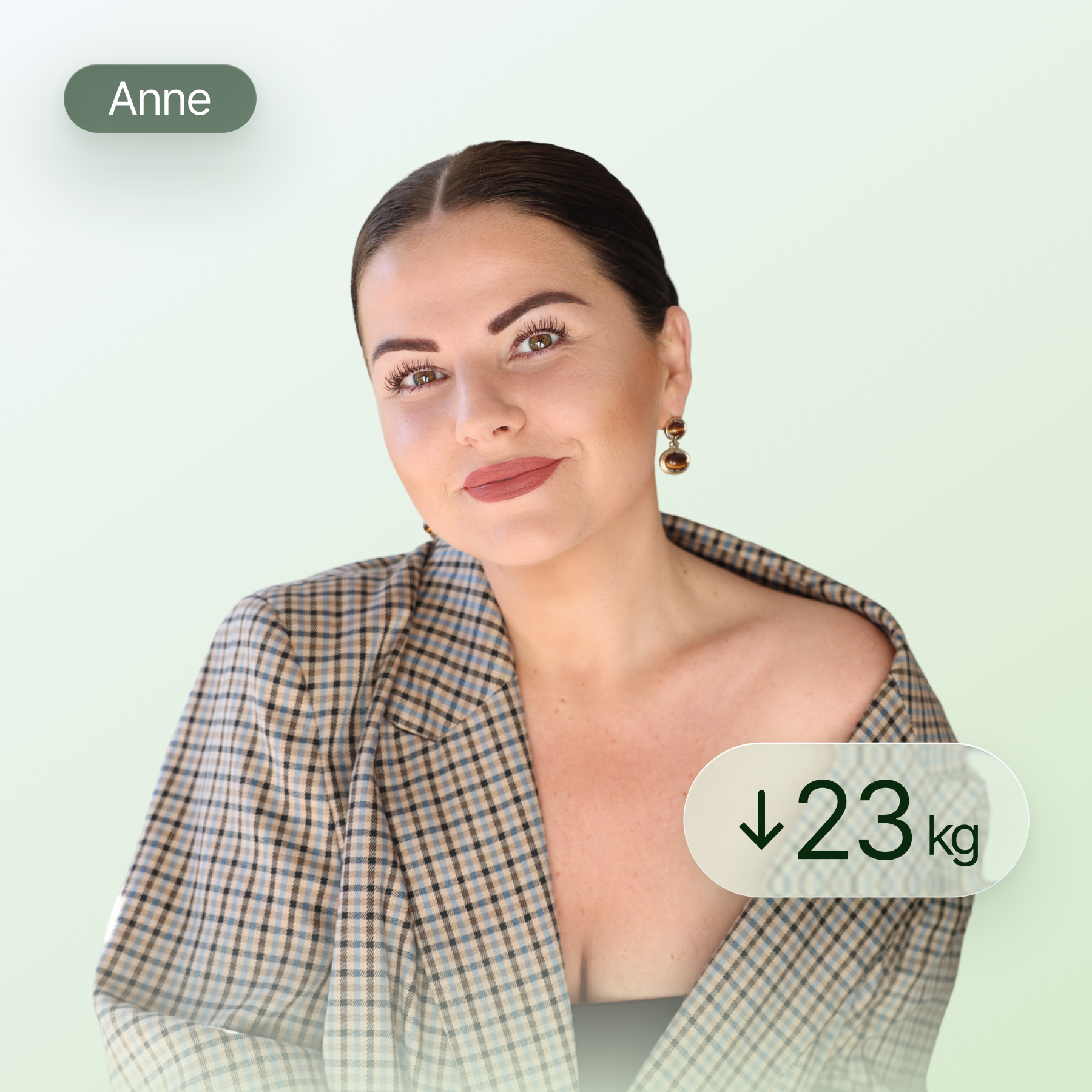
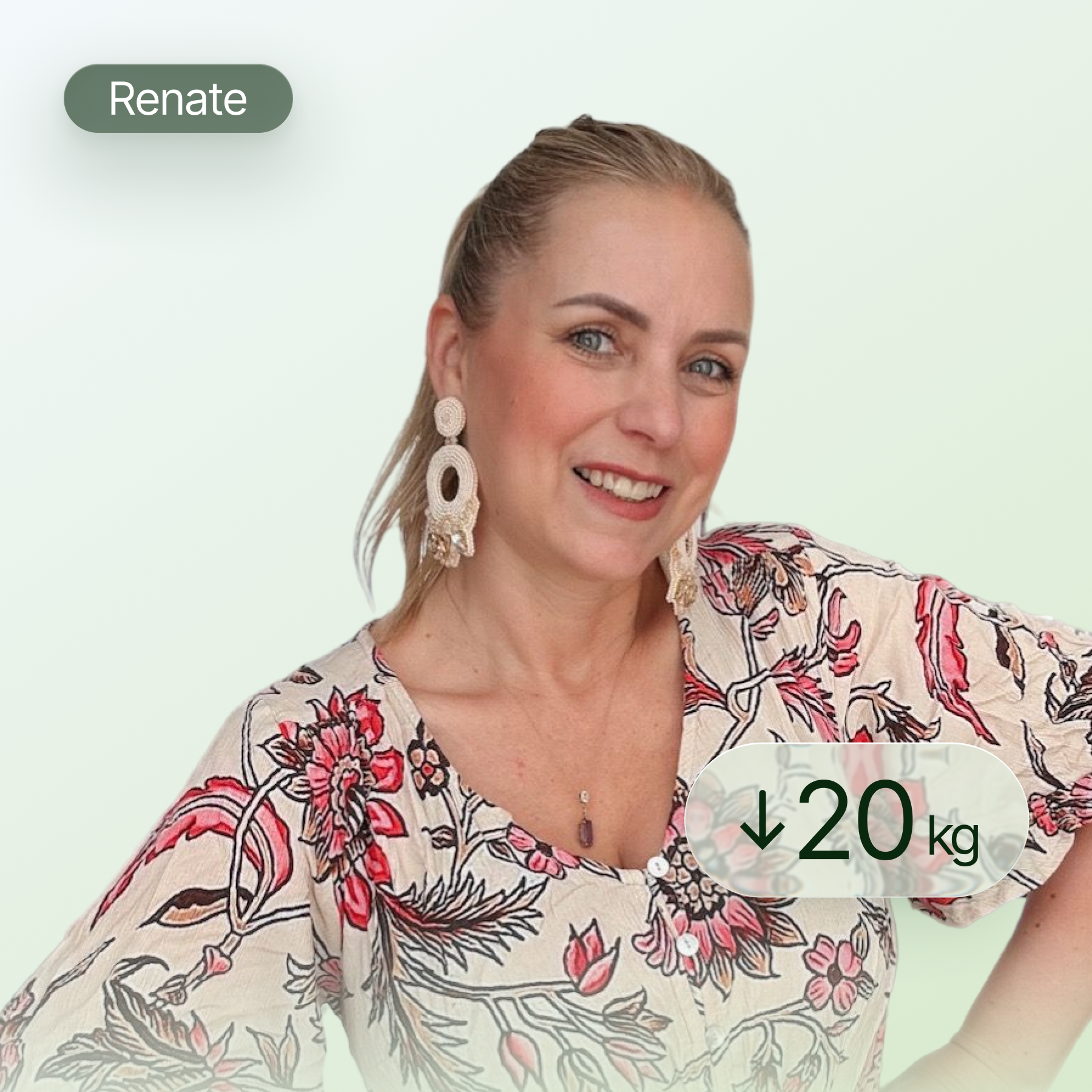
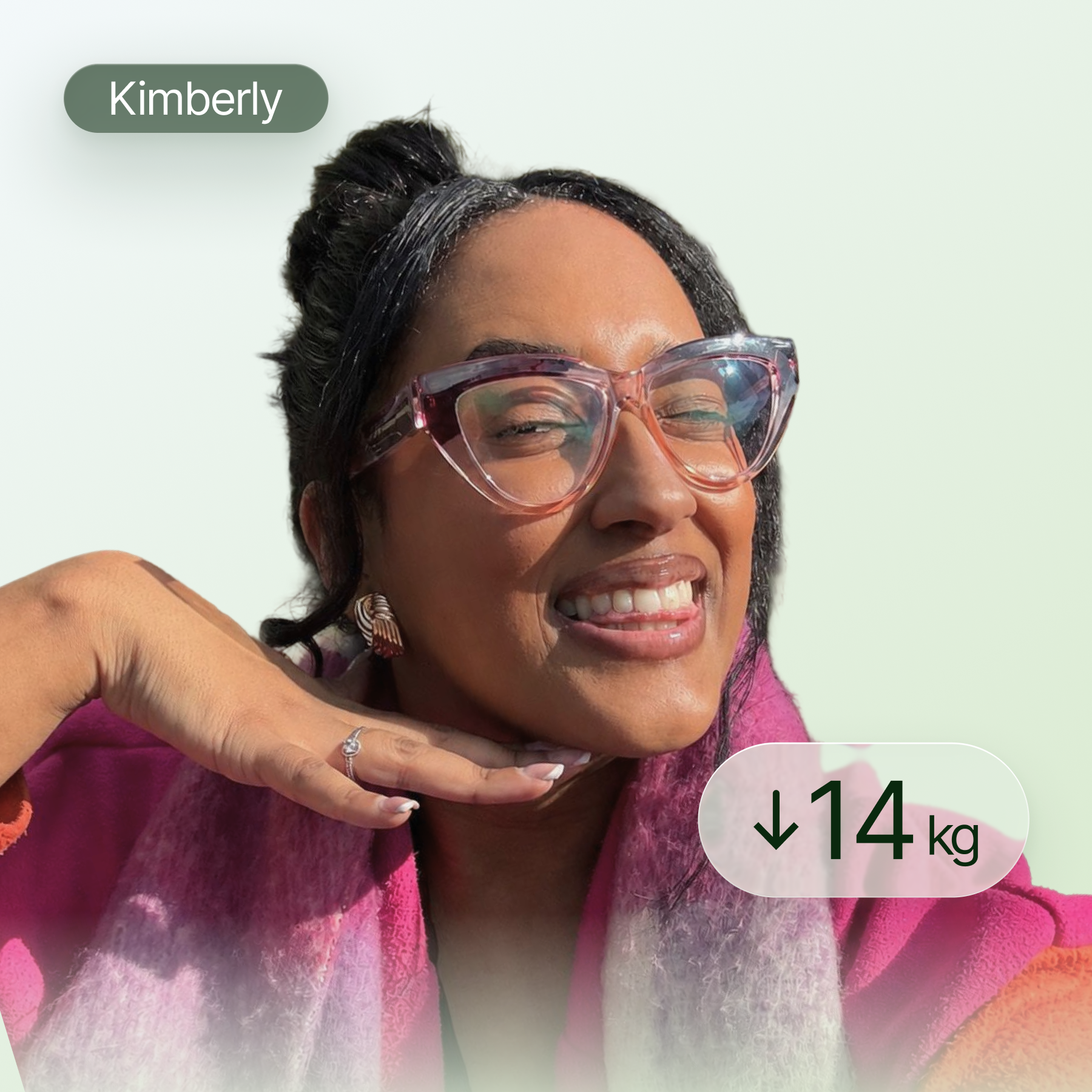

Join thousands others losing weight with Goodweigh
1000s of people have lost millions of kilograms using Goodweigh. Our treatment program is designed to deliver lasting results for you.
What our customers say


Frequently Asked Questions about BMI
If your question isn’t listed here, please get in touch using the button below.
For most adults, a BMI between 18.5 and 24.9 is considered a healthy weight. A BMI below 18.5 is classified as underweight, 25 or above as overweight, and 30 or above as obese. These thresholds are the same for men and women. [1] [3]
No, the BMI thresholds are the same for adult men and women. This is also a limitation, as women naturally have a higher body fat percentage than men. To get a picture of your body composition, your body fat percentage is therefore often more useful than your BMI alone.
Not always. Muscle tissue is denser than fat, which means that muscular people can have a high BMI whilst their body fat percentage is actually low. This is because the BMI does not measure how much fat you have and does not distinguish between muscle and fat mass. [2] For very muscular people, the BMI therefore gives a distorted picture.
BMI only takes into account the ratio of your weight to your height. Your body fat percentage reflects your body composition – in other words, how much of your body is made up of fat. BMI is useful as a quick guide, whilst body fat percentage provides a more nuanced picture of your health, particularly if you exercise or are trying to lose weight in a targeted way.
A BMI of 30 or above is classified as obesity. This is further categorised into class I (30 to 34.9), class II (35 to 39.9) and class III (40 and above), with the health risk increasing with each class. [3] [4]
Because where fat is stored matters. Belly fat in particular – the visceral fat around your organs – is linked to an increased risk of cardiovascular disease and type 2 diabetes. [4] Your waist circumference provides more insight into this than your BMI, which is why the guidelines for GPs recommend measuring waist circumference as well as BMI.
The standard BMI thresholds apply to adults. For children, BMI is assessed using age- and gender-specific growth charts. According to the Dutch general practitioners’ guidelines, overweight is only defined as a BMI of 28 or above for people aged 70 and over, whilst lower thresholds apply to people of Asian, Middle Eastern, African or African-Caribbean descent; for example, obesity is defined as a BMI of 27.5 or above. [4]
You can achieve a lower BMI by following a slight calorie deficit, ensuring you get enough protein, doing strength training to maintain muscle mass, increasing your physical activity and getting enough sleep. [5] Gradual changes that you can stick to work better than crash diets, which often result in a loss of muscle mass and lead to a yo-yo effect.
A doctor may consider weight-loss medication, such as GLP-1 therapy, for a BMI of 30 or above, or from a BMI of 27 onwards in combination with a weight-related condition such as high blood pressure or type 2 diabetes, when lifestyle changes alone do not produce sufficient results. [9] [10] You can read more about this in our article on when you are eligible for GLP-1 medication. In large studies, participants lost on average around 15 to 21 percent of their body weight over just over a year. [6] [7] A doctor will always assess whether it is suitable and safe for you. At Goodweigh, you can do this online via a free initial consultation.

The last weight loss program you will ever need
Change your life with the Goodweigh weight loss program, designed for lasting success.