What is Saxenda?

What is Saxenda?
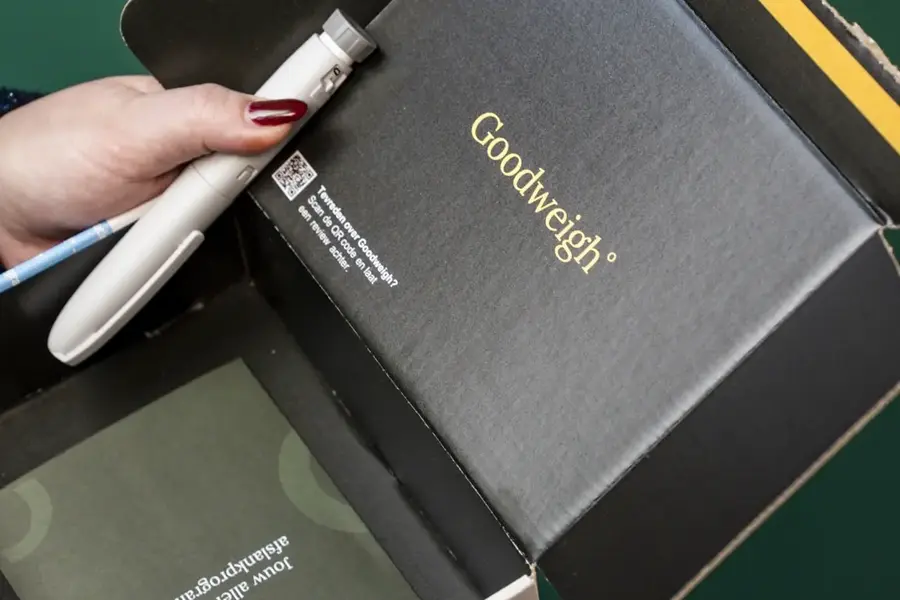
Saxenda is a commonly used treatment for obesity. But what is it exactly, and when will it be deployed? In this blog, we explain what Saxenda is, how it works within a medical process and why it can be part of your Goodweigh weight plan.
What was Saxenda developed for?
Saxenda was specifically developed for the medical treatment of overweight and obesity in adults, and not for the treatment of type 2 diabetes. That distinction is important: where related agents such as Ozempic are primarily approved as blood sugar reducers, Saxenda is only registered for weight management. According to an overview published in JAMA Today, drug therapy is a standard of care for obesity when lifestyle interventions give insufficient results. Saxenda fits right into that treatment landscape: it is a tool for people who have trouble losing weight despite exercise.
What kind of medicines does Saxenda belong to?
Saxenda contains the active substance liraglutide and belongs to the class of GLP-1 receptor agonists. GLP-1 is a hormone that the body naturally produces after meals. It stimulates insulin release, inhibits glucagon (the hormone that increases blood sugar) and sends a signal of satiety via the hypothalamus. Liraglutide mimics this hormone: it has a 97 percent sequence homology to endogenous GLP-1 and has a half-life of approximately 13 hours, requiring daily subcutaneous injection. More about how Saxenda works you can read it in a separate blog. According to an overview published in JAMA GLP-1 receptor agonists are currently one of the best-supported weight medication classes available.
Who is Saxenda for?
Saxenda is for adults with a BMI of 30 or higher, or for people with a BMI of 27 or higher in combination with a weight-related condition such as high blood pressure, sleep apnea, or pre-diabetes. The indication is therefore always medical: a doctor will assess whether Saxenda suits your situation. From a randomized controlled trial showed that participants with liraglutide 3 mg lost, on average, significantly more weight than the control group, especially when the drug was combined with a calorie-restricted diet and increased exercise. Want to know if you're eligible? The GLP-1 medication criteria are explained in detail on our knowledge base page.
What is the difference between Saxenda and regular weight loss methods?
Diets and exercise are the basis of every healthy weight loss process, but for some of the people, they are insufficient. Overweight often has a complex biology: a disturbed hunger-satiety mechanism, a reduced basal metabolic rate or hormonal factors play a role. Saxenda intervenes precisely on these mechanisms. By affecting the hypothalamic hunger and satiety centers, liraglutide helps reduce appetite and slow stomach emptying, making you full longer after a meal. This is a physiologically different mechanism than pure willpower or portion control. A comprehensive review in The Lancet concluded that drug support for severe obesity has a demonstrable added value over lifestyle intervention alone. Saxenda is therefore not a quick solution, but a medical device that works via proven biological routes.
Is Saxenda a substitute for lifestyle modification?
No. That is a crucial point. Saxenda supports, but does not replace, behavioral change. The medicine is always intended to supplement a healthier diet and more exercise, not as a substitute for it. This is also how Goodweigh uses it: medication as a tool within a wider process, where coaching and progress monitoring form the core. Those who use Saxenda without attention to lifestyle will see less results and are more likely to relapse when treatment stops.
What can you expect from a journey with Saxenda at Goodweigh?
At Goodweigh, each process starts with an online intake, followed by a medical assessment by a doctor. The doctor will assess whether Saxenda is appropriate based on your health data, BMI and any contraindications such as a history of pancreatitis or pregnancy. When Saxenda is prescribed, it is delivered discreetly to your home. The dose is gradually increased to limit side effects such as nausea or diarrhea that are typical at the start. Throughout the process, you will receive coaching and your progress and response to the medication will be monitored. More about the Goodweigh program you can read on our program page. From a randomized controlled trial showed that guidance and monitoring significantly increase the effectiveness of liraglutide. On the Saxenda product page you will find all the practical information about the medicine itself, including how to use it and how long a Saxenda pen lasts.
How does Saxenda differ from other drugs such as Ozempic or Wegovy?
The most important practical differences lie in the active substance, the frequency of administration and the registered indication. Saxenda contains liraglutide and is injected daily. Ozempic and Wegovy contain semaglutide and are administered once a week. From a direct comparison study showed that weekly semaglutide led to, on average, greater weight loss than daily liraglutide. research published in The Lancet showed that semaglutide at higher doses was more effective than liraglutide in achieving weight loss of more than five percent. This does not mean that Saxenda is less suitable: the choice depends on your medical situation, personal preference and tolerance. A detailed explanation of the difference between Ozempic and Saxenda is in a separate blog.
Is Saxenda for you?
Saxenda is one of the proven options in the GoodWeigh program for overweight people seeking medical guidance. Whether it suits your situation depends on your BMI, health history, and personal goals. Do the intake to work with a doctor to assess which treatment suits you best.
Referenties
- Pi-Sunyer, X. (2015). A Randomized, Controlled Trial of 3.0 mg of Liraglutide in Weight Management. New England Journal of Medicine. https://pubmed.ncbi.nlm.nih.gov/26132939/
- Elmaleh-Sachs, A. (2023). Obesity Management in Adults: A Review. JAMAS. https://pubmed.ncbi.nlm.nih.gov/38015216/
- Rubino, D. M. (2022). Effect of Weekly Subcutaneous Semaglutide vs Daily Liraglutide on Body Weight. JAMAS. https://pubmed.ncbi.nlm.nih.gov/35015037/
- O'Neil, P. M. (2018). Efficacy and safety of semaglutide compared to liraglutide and placebo for weight loss. Lancet. https://pubmed.ncbi.nlm.nih.gov/30122305/
- Bray, G.A. (2016). Management of obesity. Lancet. https://pubmed.ncbi.nlm.nih.gov/26868660/
- Pharmacotherapeutic Compass. Liraglutide. https://www.farmacotherapeutischkompas.nl/bladeren/preparaatteksten/l/liraglutide